
Feature walls, book-matched slabs and backlit onyx
A feature wall is chosen slab by slab, because the pattern in the stone is the whole design.
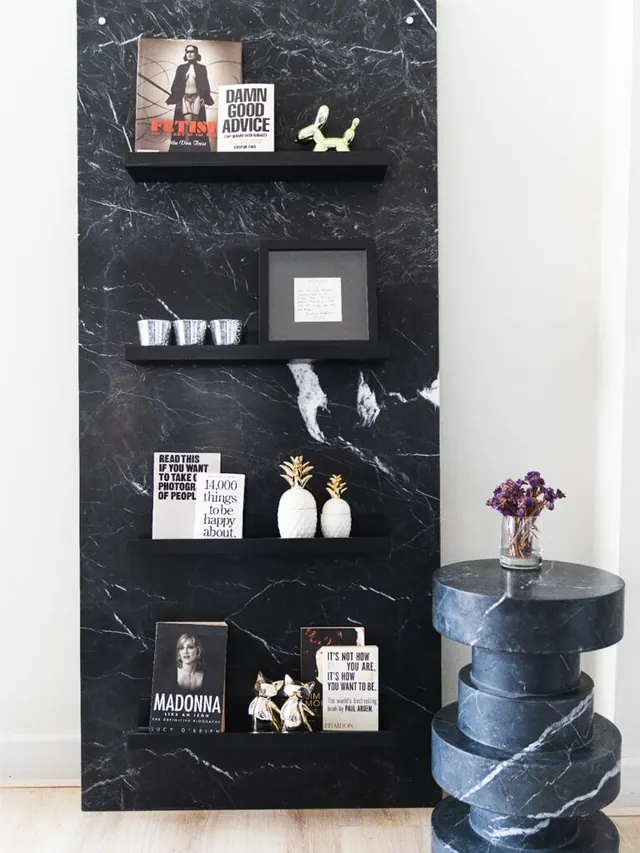
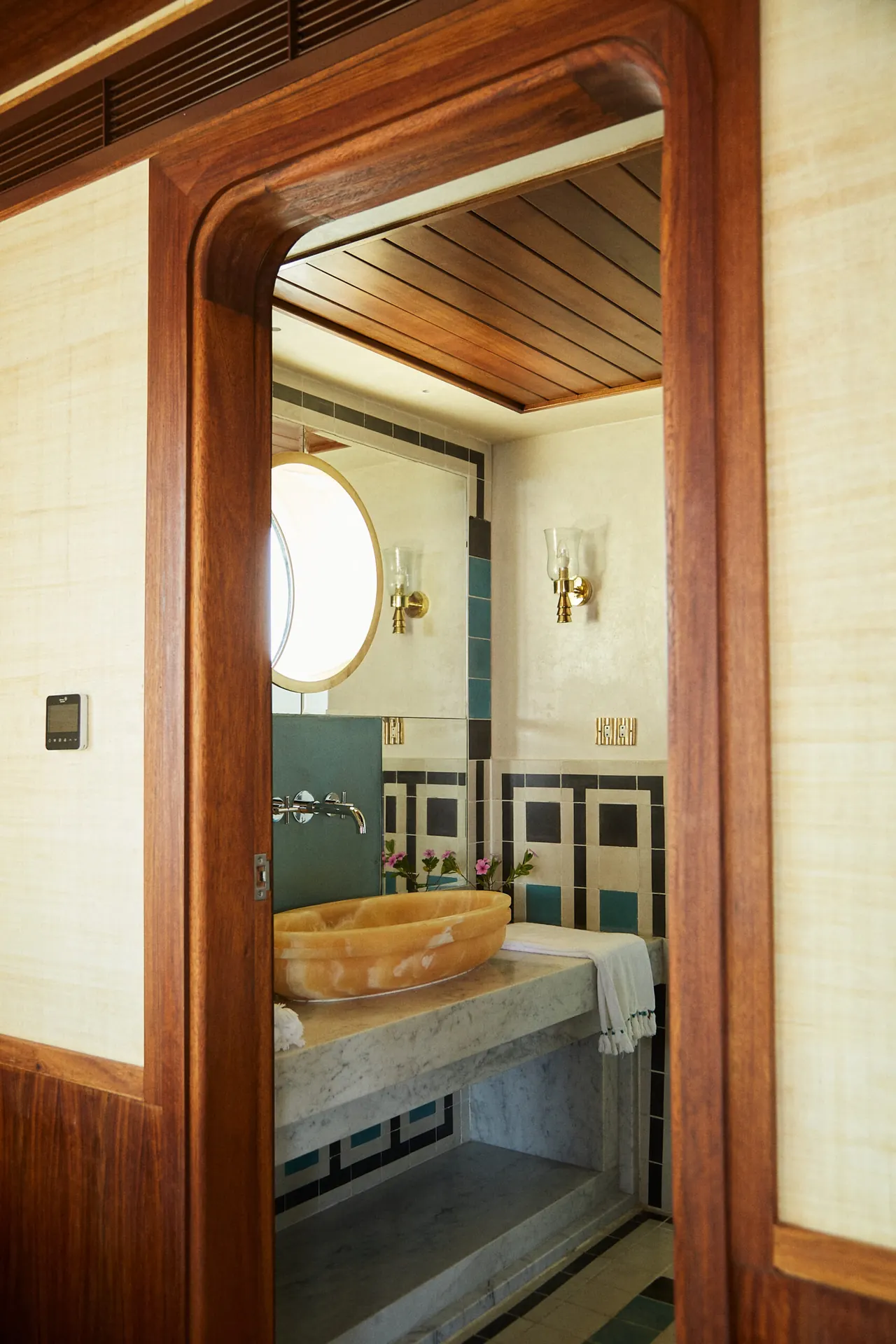
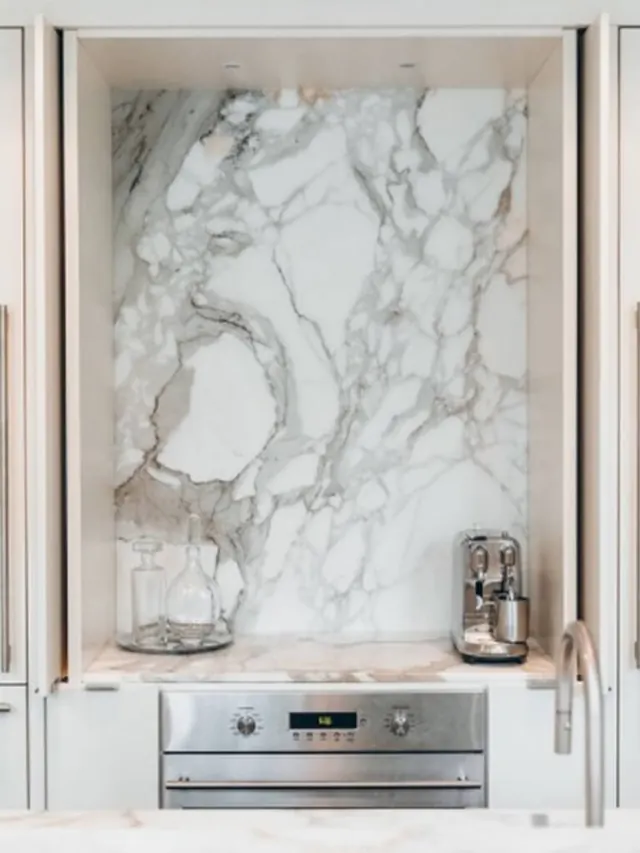
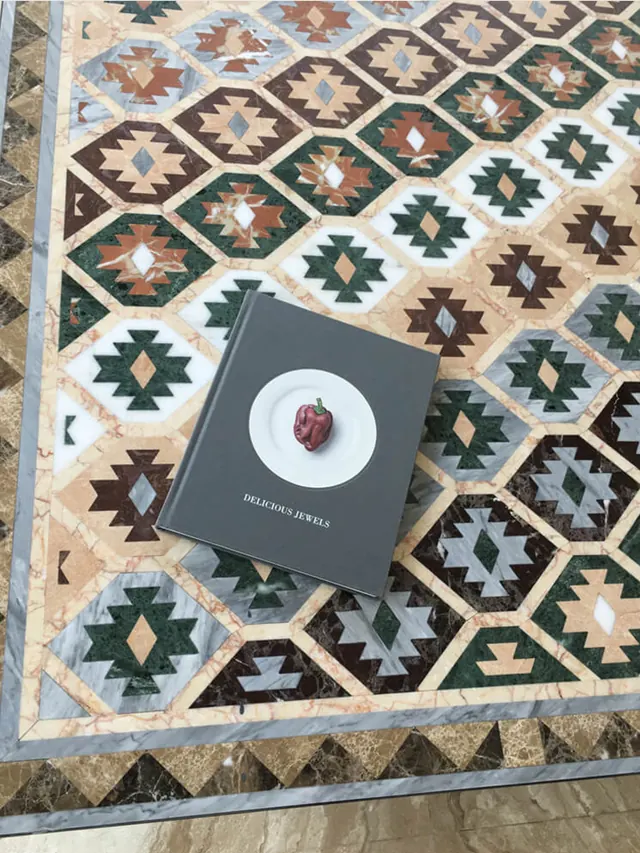
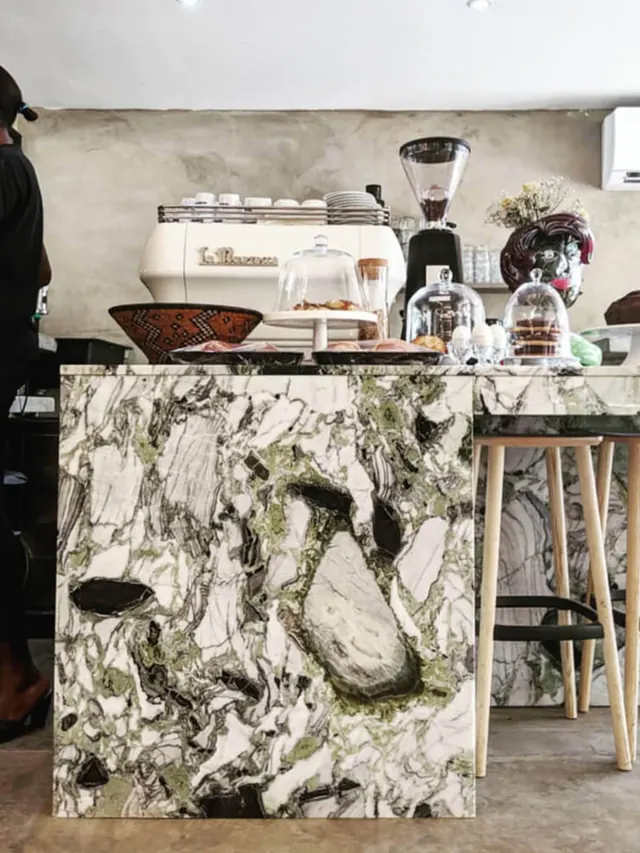
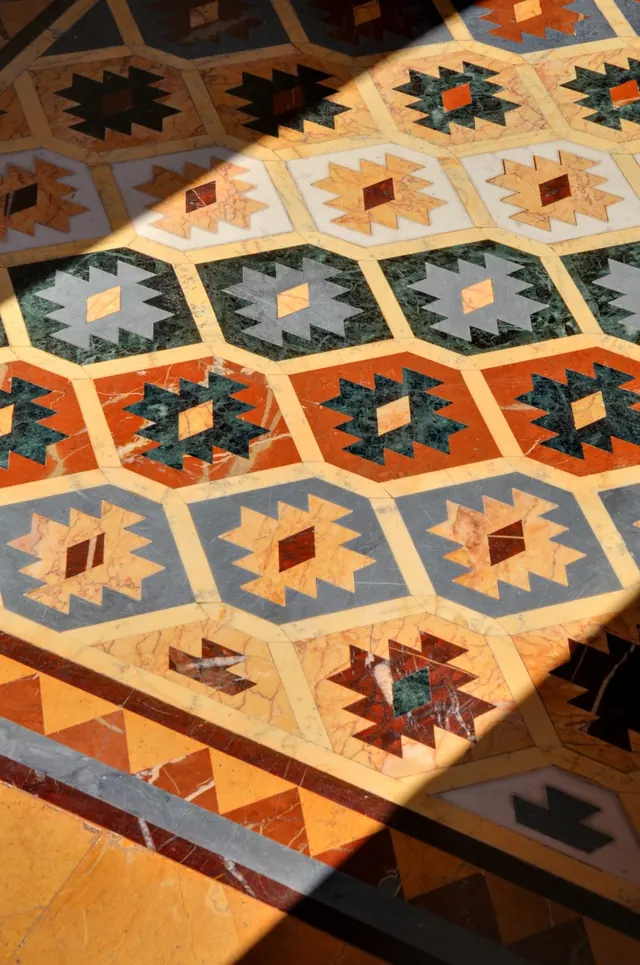
A feature wall is the one place in a home where the stone itself is the design: a reception wall, the space behind a bed or a bar, an entrance hall or a statement bathroom wall. Here you do not pick a stone name from a catalogue. You pick the actual slabs, because every slab of onyx or strongly veined marble is different.
Three techniques shape most feature walls. Book-matching opens consecutive slabs so the veins mirror each other. Backlighting shines light through translucent onyx so it glows. Waterjet cutting makes precise inlays and patterns from several stones. We help you choose slabs in person and plan the layout before anything is cut.
Stones that suit this use
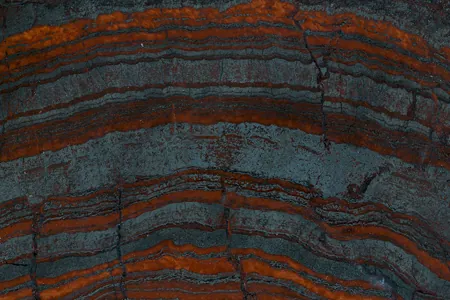
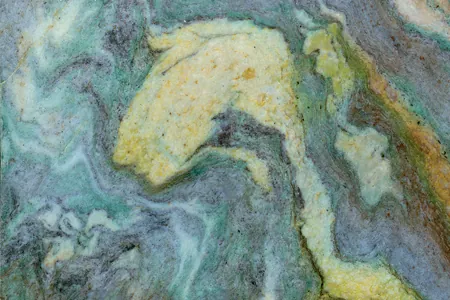
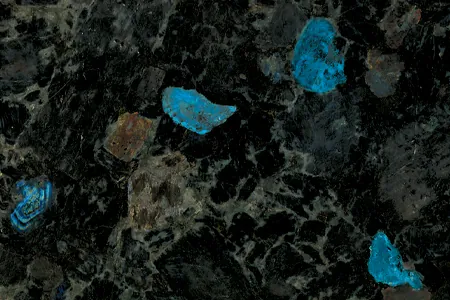
Onyx is translucent, so light placed behind it makes the veins glow. It is softer and more fragile than marble, so it belongs on walls and bar fronts where it will not be knocked or touched by acids.
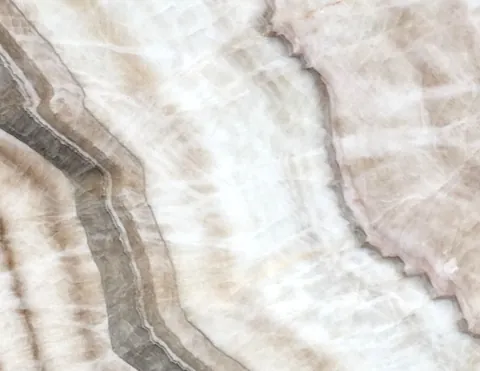
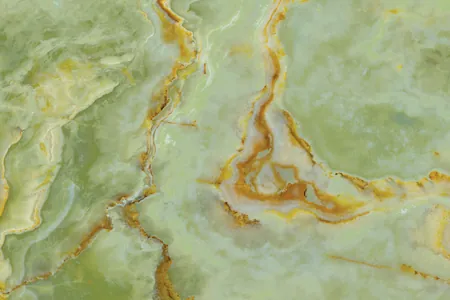
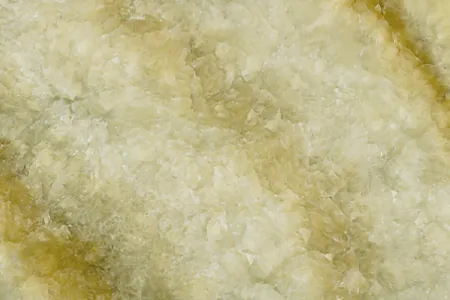

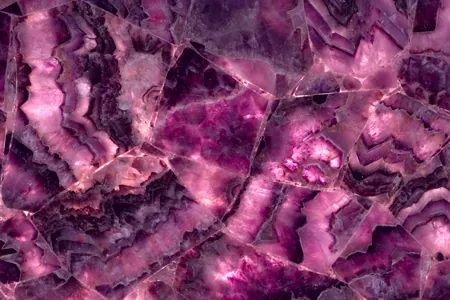
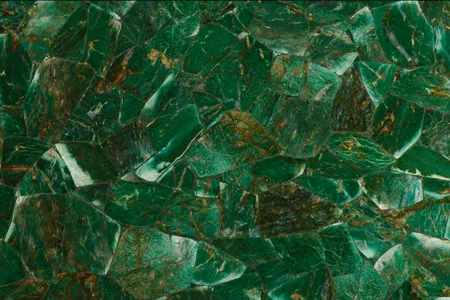
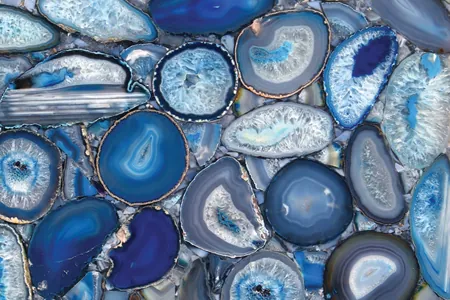
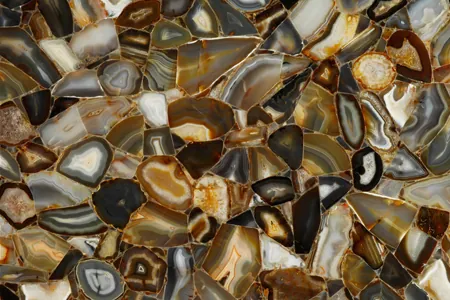
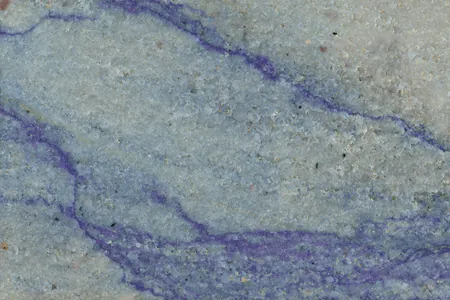
Strongly veined marble, book-matched across two or four slabs, gives a dramatic wall without any lighting. It is sturdier than onyx and easier to use over larger areas.
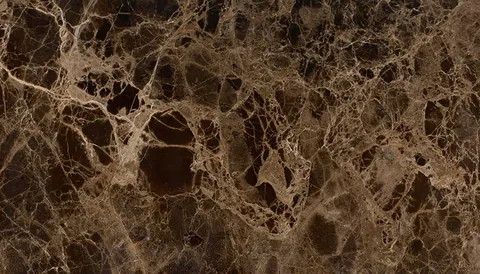
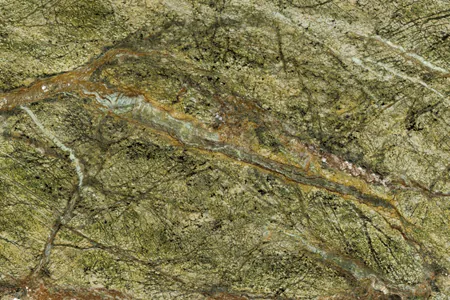

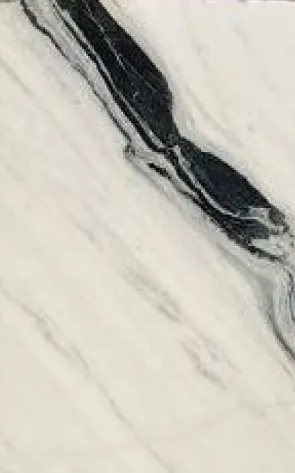
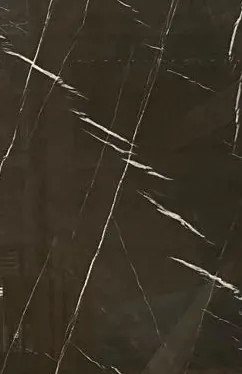
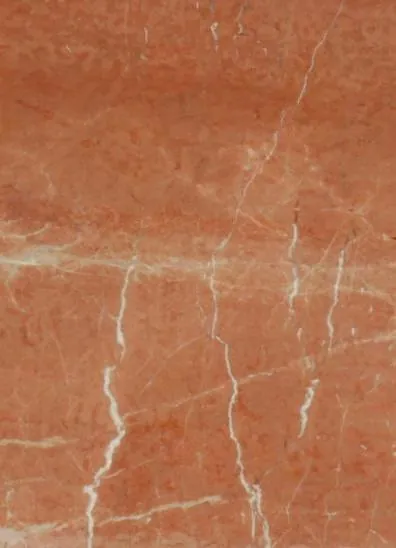
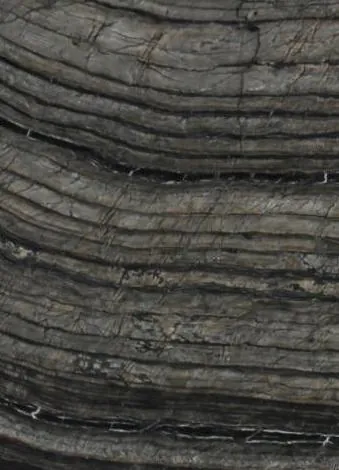
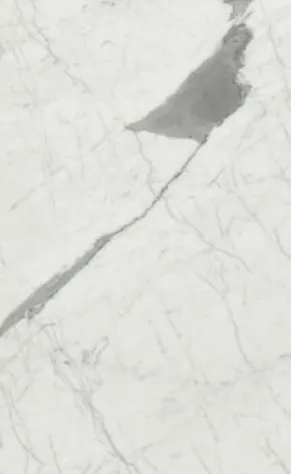
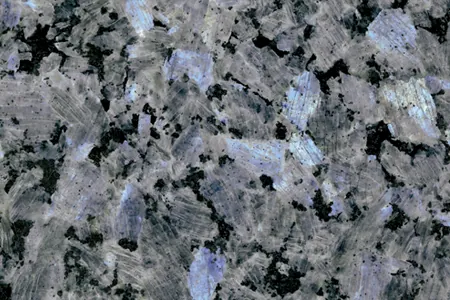
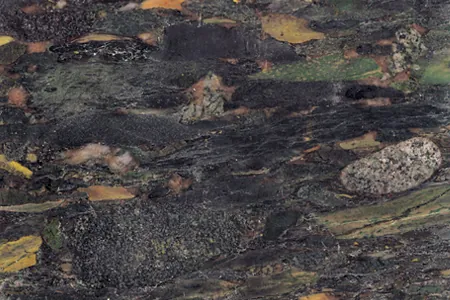
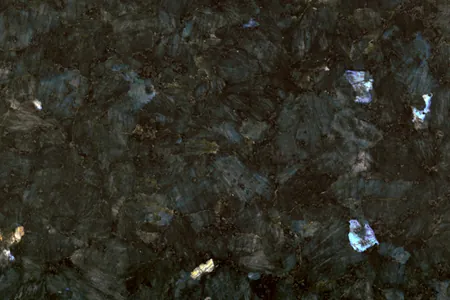
Exotic granites with bold movement can be book-matched too, and they suit walls that need to be tougher, such as lobbies and busy entrances.

What to decide
Book-matching
Book-matching uses slabs cut one after another from the same block, polished on facing sides and set next to each other so the veins mirror like an open book. The slabs have to be bought as a matched set.
Backlit onyx
Onyx for backlighting is usually reinforced from behind, for example by bonding it to clear glass, and mounted in front of an even LED light source with a gap between them.
Access and heat
The lighting behind the stone must stay reachable for maintenance, and LEDs that run cool are used so heat does not affect the stone or the adhesive.
Waterjet inlay
A waterjet cuts stone with a fine, high-pressure stream of water and abrasive, so different stones can be fitted together into medallions, borders and patterns with tight joints.
Fixing
Large feature wall slabs are heavy, so the fixing method is planned early, with mechanical support wherever the weight or height calls for it.
How the job goes
- Visit the showroom to see slabs in person
- Choose and reserve the actual slabs
- Measure the wall and check lighting and power points
- Agree the layout of veins, joints and light
- Cut, match and reinforce the pieces
- Fix the stone with your electrician on the lighting, then hand over
Questions people ask
What is backlit onyx?
Onyx is a translucent stone, so when light is placed behind it, its veins and colours glow. It is used on reception walls, bar fronts and panels in bathrooms and entrances.
What does book-matched mean?
Two or more slabs cut in sequence from the same block are opened like the pages of a book, so the veining mirrors across the joint. It creates a symmetrical pattern that a single slab cannot.
Is onyx strong enough for a wall?
On a wall, yes, when it is reinforced and fixed correctly. It is softer and more brittle than marble, so we avoid it where it will be knocked, and we do not recommend it for floors or kitchen countertops.
Can I see the slabs before they are cut?
For a feature wall you should. We plan the layout on the actual slabs with you, so you know where the strongest veins will fall before any cutting starts.
Send a photo and your measurements
Message us on WhatsApp with a photo of your kitchen, stairs or floor and the rough size. We reply with stones that suit and a clear quote.